
Just a stone's throw from the vibrant coastal town of Dakhla, where the vast Atlantic Ocean kisses the fringes of the majestic Sahara, an extraordinary tale of passion, scientific innovation, and environmental stewardship unfolds. This is the story of Dr. Sanaa Bhaby and the remarkable birth of Sahara Oysters – a testament to the harmonious blend of nature's bounty and human ingenuity.
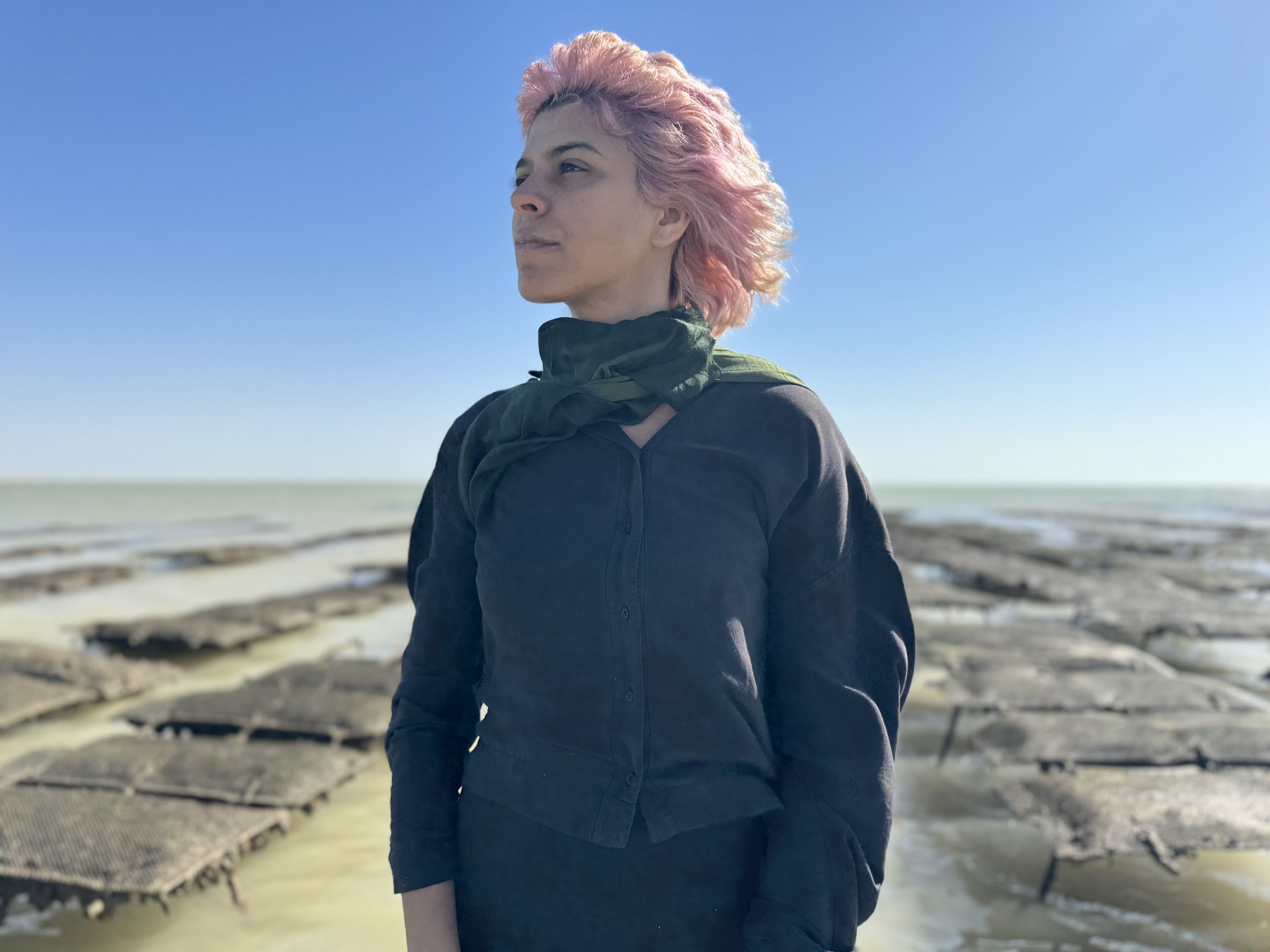
A Scientist's Journey
Dr. Sanaa Bhaby's love affair with the sea began in her childhood, spent exploring the tidal pools of Morocco's Atlantic coast. This early fascination led her to pursue a career in marine biology, specializing in the life cycles of molluscs. After earning her doctorate, Sanaa returned to the sea, driven by a vision to create something extraordinary.
Discovery of Cintra Bay
During her research expeditions along the Moroccan coast, Sanaa stumbled upon Cintra Bay, a hidden gem nestled between rocky cliffs and rolling dunes. The unique convergence of Atlantic currents and the warm Saharan climate created a perfect balance of salinity and nutrient richness in these waters.
"It was like finding a treasure chest," Sanaa recalls. "The water quality, the mineral content, the natural protection of the bay – everything pointed to an ideal environment for oyster cultivation."
From Research to Reality
Armed with her scientific knowledge and a deep commitment to sustainable aquaculture, Sanaa founded Sahara Oyster in 2023. She started small, with just a few experimental beds, meticulously monitoring water quality, growth rates, and flavor profiles.
"Each oyster tells a story of its environment," Sanaa explains. "Our goal was to create a product that not only tasted exceptional but also reflected the unique terroir of this magical place."
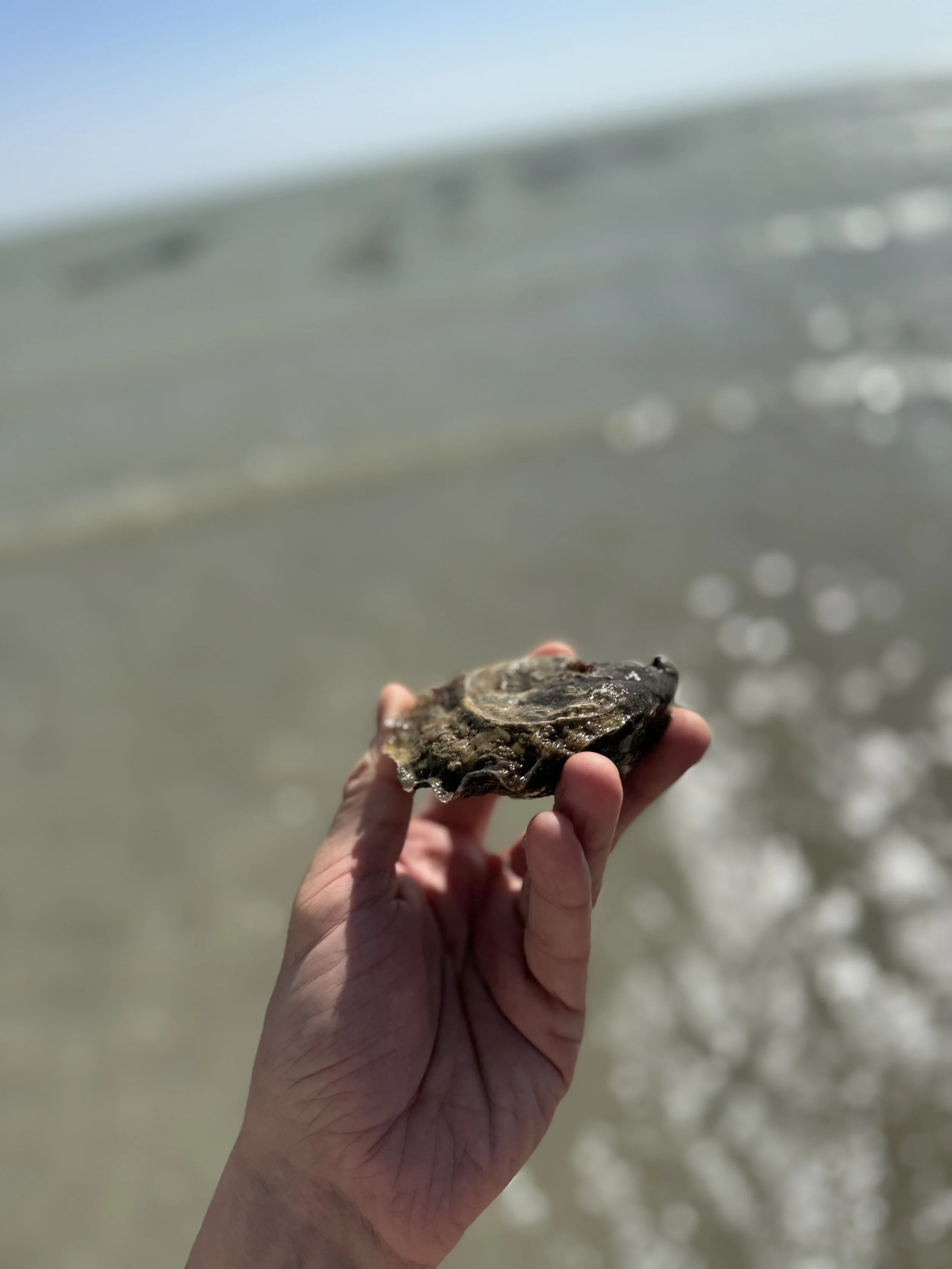
Commitment to Sustainability
From the outset, sustainability has been at the heart of Sahara Oysters. Sanaa implemented innovative farming techniques that minimize environmental impact while maximizing quality.
"We see ourselves as stewards of this ecosystem," Sanaa emphasizes. "Our methods ensure we're giving back to the ocean as much as we're taking."
The farm uses recycled materials in its structures, employs local workers, and participates in regular coastal clean-up initiatives.